

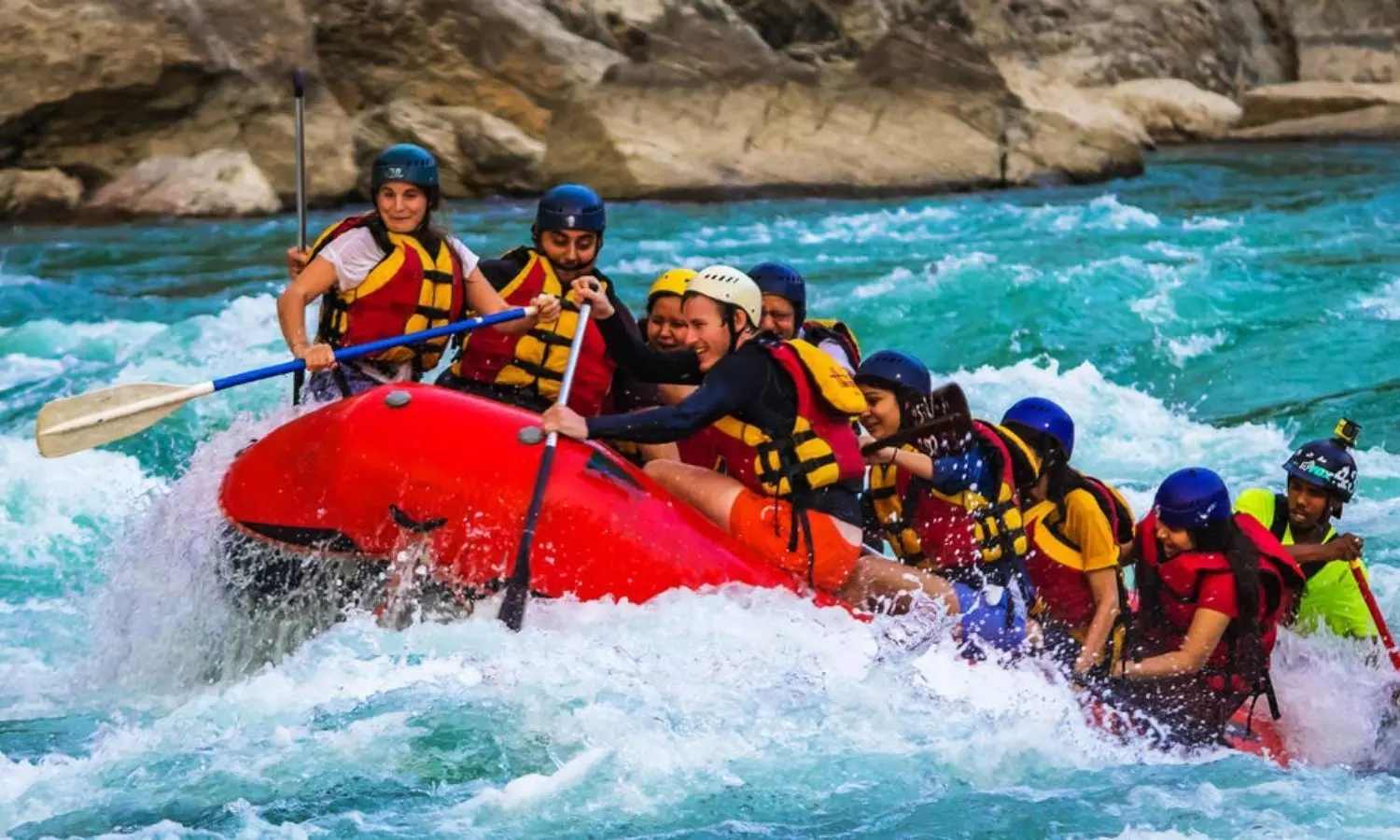
Thill-seeking is no longer reserved for extreme athletes or cinematic stunt performers. Today, everyday individuals are trading conventional vacations for heart-pounding, unforgettable experiences in the air, on land, and underwater. Stepping into the world of adventure sports offers more than just a rush of adrenaline. It provides a unique opportunity to challenge personal limits, conquer deeply rooted fears, and connect with nature in raw, unforgettable ways.
If you are looking to break away from routine and dip your toes into high-energy activities, navigating the endless options can feel overwhelming. Choosing the right entry point, understanding safety protocols, and picking the right gear are all essential steps to building confidence. This comprehensive guide covers everything you need to know to transition smoothly from a curious bystander to a capable adventure enthusiast.
The Ultimate Beginner Adventure Sports Breakdown
To help you decide where to start, the table below highlights popular adventure sports based on their primary environment, difficulty level, and required preparation time.
| Adventure Sport | Environment | Beginner Difficulty | Ideal Preparation Time |
| Tandem Skydiving | Air | Low (Instructor Guided) | 1 to 2 hours of briefing |
| Scuba Diving (Discover Scuba) | Water | Moderate | Half-day instruction |
| White-Water Rafting | Water (River) | Low to Moderate | 30 minutes of safety training |
| Rock Climbing (Top-Roping) | Land | Moderate | 1 to 2 hours of gym training |
| Zip-Lining | Land/Air | Very Low | 15 minutes of harness fitting |
Taking to the Skies: High-Flying Aerial Adventures
For many beginners, the ultimate test of courage involves leaving the solid ground behind. Aerial sports offer unmatched vantage points and an undeniable sense of freedom.
Tandem Skydiving
Skydiving is often viewed as the pinnacle of extreme sports, yet it is surprisingly accessible to absolute beginners through tandem jumps. In a tandem skydiving setup, you are securely harnessed to a certified, highly experienced instructor who handles all technical maneuvers, including deploying the parachute and managing the landing.
-
What to Expect: A typical jump begins with a short ground briefing covering body positioning during freefall. You will then board a plane, ascend to an altitude between 10,000 and 14,000 feet, and jump. Freefall lasts anywhere from 30 to 60 seconds at speeds reaching 120 miles per hour, followed by a serene five-to-seven-minute canopy ride back to earth.
-
Essential Safety Tip: Always verify that the drop zone is certified by a recognized aviation body, such as the United States Parachute Association (USPA).
Zip-Lining and Canopy Tours
If free-falling feels too intense for your first outing, zip-lining provides an incredible sensation of speed with zero flight experience required. Gravity carries you along steel cables mounted high above forest canopies, canyons, or river valleys.
-
Why It Works for Beginners: Gravity does almost all the work. Professional guides fit you with safety harnesses, double-check tether lines, and manage braking systems at the end of each line, allowing you to focus entirely on the scenery.
Plunging into the Deep: Aquatic Expeditions
The world underwater covers over seventy percent of the planet, offering a tranquil yet thrilling playground for adventurous souls.
Scuba Diving
Scuba diving opens the door to a completely different realm filled with marine life, historic shipwrecks, and complex underwater landscapes. While becoming a fully certified diver takes time, programs like PADI Discover Scuba Diving let beginners experience weightlessness under close supervision without completing a full certification course upfront.
-
Understanding the Fundamentals: Beginners start in shallow, confined water, such as a swimming pool or calm bay. You will learn basic mechanical skills, such as clearing water from your mask, breathing comfortably through a regulator, and equalizing ear pressure as you descend.
-
Key Physical Requirement: You do not need to be an Olympic athlete, but basic swimming ability and comfort in open water are necessary for safety.
White-Water Rafting
For those who prefer fast-moving surface water, white-water rafting combines adrenaline with active teamwork. Guided river trips navigate rushing rapids categorized by difficulty ratings ranging from Class I (easy, calm water) to Class VI (extremely dangerous).
-
Selecting the Right Trip: Absolute beginners should look for trips featuring Class I to Class III rapids. These sections feature exciting waves and drops that require active paddling without severe danger of capsizing.
Conquering the Terra Firma: Land-Based Thrills
If you prefer to keep your feet closer to solid ground, land-based adventure sports offer incredible physical workouts alongside mental clarity.
Rock Climbing and Bouldering
Rock climbing has exploded in popularity, evolving from an obscure niche activity into a mainstream sport available in almost every major city. Beginners can choose between bouldering (short climbs up low walls without ropes) and top-roping (climbing high walls while secured by an overhead rope system managed by a partner or belay device).
-
Mental and Physical Benefits: Rock climbing relies heavily on problem-solving, balance, and core engagement rather than sheer upper-body strength. It teaches patience, focus, and body awareness.
-
Starting Out Right: Begin at an indoor climbing gym to learn basic movement mechanics, falling techniques, and harness safety before transitioning to natural outdoor rock faces.
Mountain Biking
Mountain biking takes traditional cycling off paved roads and onto unpaved trails featuring dirt jumps, root obstacles, steep climbs, and rocky descents.
-
Gear Fundamentals: A quality front-suspension or full-suspension mountain bike, a well-fitted helmet, knee pads, and sturdy footwear are non-negotiable necessities before riding downhill trails.
Crucial Mindsets for First-Time Adventurers
Success in any high-energy sport comes down to mental preparation and respect for safety protocols.
-
Listen Attentively to Instructors: Never skip or tune out safety briefings. Pay strict attention to hand signals, emergency protocols, and equipment operational rules.
-
Invest in Proper Equipment: Renting high-quality gear from reputable operators is fine for beginners. Ensure that helmets, harnesses, and life vests fit snugly and show no signs of excessive wear.
-
Know Your Physical Limits: Pushing your comfort zone is healthy, but forcing yourself into high-risk situations while fatigued or ill can lead to injury. Always listen to your body.
-
Embrace Mindful Breathing: Anxiety naturally spikes during high-stress activities like jumping out of a plane or descending a steep trail. Deep, rhythmic breathing lowers your heart rate and sharpens your focus.
Frequently Asked Questions
What is the absolute safest adventure sport for a complete beginner?
Zip-lining and indoor rock climbing are generally considered two of the safest entry-level options. Both rely on redundant safety tethering systems, involve low physical complexity for the participant, and operate under strictly controlled environments with constant guide oversight.
How do I know if I am physically fit enough for adventure sports?
Most entry-level adventure experiences, such as tandem skydiving, zip-lining, or beginner white-water rafting, are designed for individuals with average physical fitness. If you can walk comfortably, lift moderate weight, and possess standard mobility, you are generally ready. However, consult a physician first if you have pre-existing cardiovascular, respiratory, or joint conditions.
Is tandem skydiving safe for someone who has an intense fear of heights?
Surprisingly, many people with a fear of heights report that skydiving feels completely different than standing near the edge of a high balcony. Because you are thousands of feet in the air without visual ground structures connecting you to the earth, the depth perception is altered, which often reduces the sensation of vertigo.
Do I need to buy expensive gear before trying a new sport?
No, buying gear immediately is unnecessary and discouraged for beginners. Reputable outfitters, climbing gyms, and diving centers provide all required safety gear and specialized equipment as part of their entry-level package rates. Only invest in personal gear once you decide to commit long-term to the sport.
How far in advance should I book an entry-level adventure package?
Booking depends largely on the sport and season. Top-tier skydiving drop zones and specialized scuba excursions often fill up weeks to months ahead during peak weather seasons. Booking at least two to four weeks early ensures certified instructors are assigned to your session.
What happens if bad weather occurs on the day of my aerial or water sport session?
Safety is always the primary concern for professional operators. If high winds, heavy rain, lightning, or severe fog occur, operations are suspended immediately. Reliable outfitters will offer to reschedule your session at no extra charge or provide a full refund depending on their policy terms.
Can I participate in adventure sports if I wear prescription glasses or contact lenses?
Yes, most adventure sports accommodate prescription eyewear easily. Skydiving drop zones provide oversized protective goggles that fit comfortably over regular eyeglasses. For scuba diving, mask strap retainers keep your equipment firm, or you can purchase inexpensive optical prescription masks. Contacts can also be worn, provided you keep your eyes closed tightly if water enters your mask during aquatic activities.

Comments are closed.