

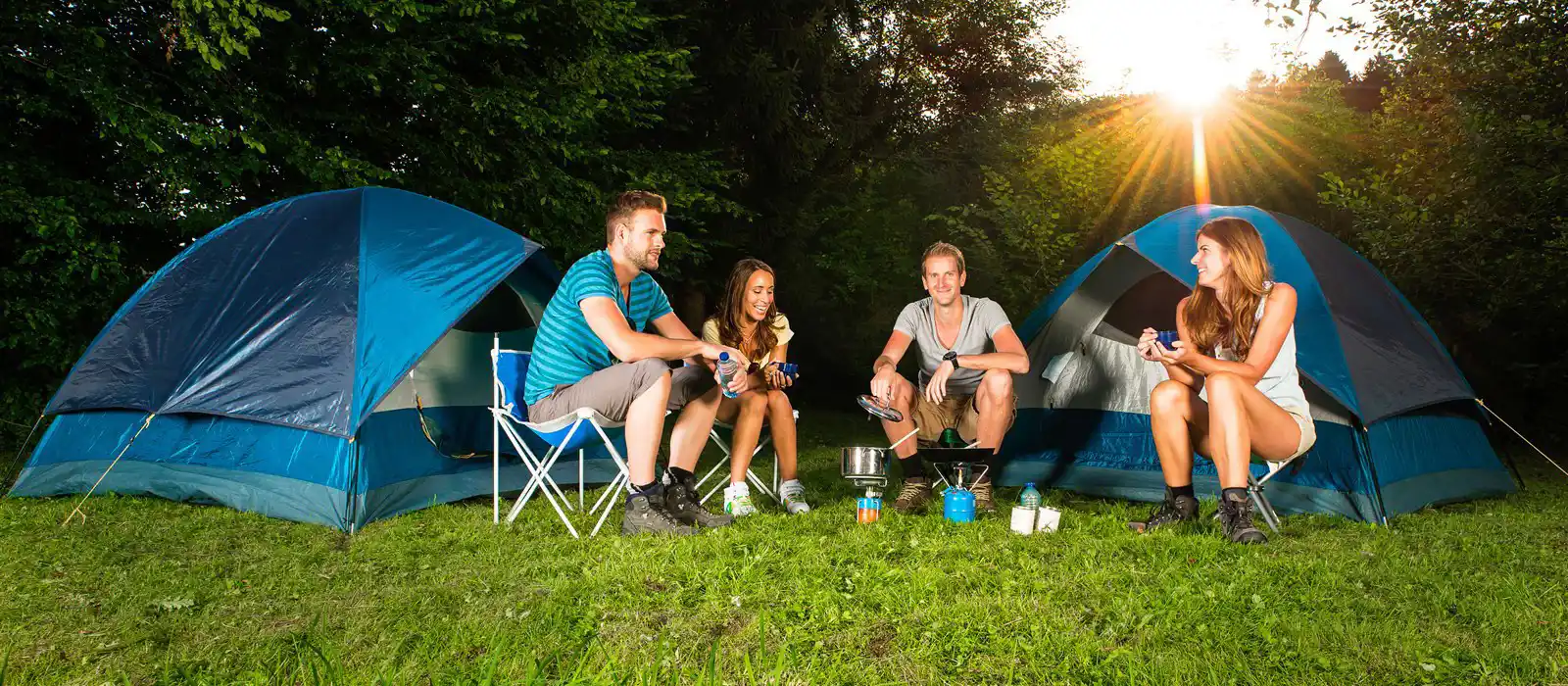
Camping off the grid in the backcountry offers an unmatched sense of freedom. Unlike established campgrounds with strict check-in times, paved RV pads, and noisy neighbors, dispersed camping lets you set up camp in undeveloped areas for free. You trade away amenities like flush toilets, fire rings, and picnic tables in exchange for pristine solitude and incredible views.
If you want to leave behind crowded commercial sites and spend your nights under open skies without paying reservation fees, dispersed camping is the way to go. This guide breaks down everything you need to know to locate free campsites, pack the right gear, stay safe, and practice responsible stewardship on public lands.
What Is Dispersed Camping
Dispersed camping refers to camping on public land outside of designated, fee-based campgrounds. This means there are no camp hosts, paved parking spots, trash cans, or running water. You are essentially boondocking or dry camping, relying entirely on the gear and supplies you bring with you.
Most dispersed sites are located along secondary dirt roads, forest service tracks, or in open wilderness areas. While some popular spots might feature established pull-offs and primitive fire rings left behind by previous visitors, many locations are completely unmarked.
Where Can You Camp for Free in the United States
Millions of acres of public land across the United States allow free primitive camping. However, not every piece of government-owned terrain is open for public overnight use. Knowing which land agencies permit dispersed camping is the first step in planning a successful trip.
Bureau of Land Management Lands
The Bureau of Land Management oversees vast stretches of public terrain, primarily in western states like Utah, Nevada, Arizona, Colorado, and New Mexico. Most Bureau land is open for free camping unless explicitly posted otherwise. You can generally set up camp for up to 14 consecutive days within a 28-day period in the same location before needing to move your campsite at least 25 miles away.
United States Forest Service Lands
National Forests and Grasslands managed by the Department of Agriculture offer exceptional dispersed camping options. Unless marked as closed to overnight stays, you can camp along forest service roads and backcountry trails. Forest Service rules typically permit camping up to 14 days within a 30-day period.
State Forests and Wildlife Management Areas
Certain state forests and state-managed wildlife lands permit primitive camping, though rules vary widely by region. Some eastern states require cheap annual permits or free self-registration before entering backcountry areas, so checking state natural resource websites in advance is necessary.
Where Dispersed Camping Is Strictly Prohibited
You cannot set up a dispersed camp just anywhere. Free primitive camping is generally illegal in the following areas:
-
National Parks and National Monuments, except in designated backcountry zones requiring specialized permits
-
Day-use recreation areas, picnic grounds, and trailhead parking lots
-
Private property boundary zones without explicit owner permission
-
Sensitive ecological habitats, restored grasslands, and protected watershed basins
How to Find Free Dispersed Campsites
Locating a great primitive site takes a bit of research before you lose cell service. Relying on luck while driving down remote dirt roads at dusk often leads to frustration.
Digital Mapping Tools and Applications
Modern mapping apps make finding public land borders far easier than it used to be. Satellite mapping platforms allow you to overlay public boundary maps directly onto satellite terrain view.
-
Gaia GPS and OnX Offroad provide clear visual overlays showing public vs. private land borders, forest road numbers, and elevation profiles.
-
iOverlander and Campendium rely on user-contributed reviews, photos, and road condition reports to highlight confirmed dispersed sites.
-
FreeCampsites.net offers a crowd-sourced directory of free campsites with GPS coordinates and access summaries.
Official Agency Maps and Ranger Stations
Before heading into remote territory, inspect official Motor Vehicle Use Maps provided free by the Forest Service. These maps explicitly highlight which forest roads allow roadside dispersed camping and list seasonal closure dates. Stopping by a local ranger station is also a great way to ask staff about current road conditions, fire bans, and water availability.
Essential Gear for Off-Grid Primitive Camping
Since dispersed campsites lack infrastructure, your self-reliance depends entirely on your packing list. You must bring everything necessary for basic human survival and comfort.
Water Supply and Filtration Equipment
Without access to spigots, carrying sufficient water is critical. Plan on bringing at least one gallon of fresh water per person per day for drinking and cooking, plus additional water for washdowns and extinguishing campfires. If you plan to source water from nearby creeks or lakes, bring a reliable water filter or purification tablets.
Portable Sanitation and Hygiene
Proper human waste management keeps public lands clean and open to future campers. If you are camping in an area without pit toilets, you have two primary options:
-
Digging a cat-hole that is 6 to 8 inches deep and at least 200 feet away from water sources, trails, and campsites. Pack out all used toilet paper in sealed plastic bags.
-
Using a portable toilet or specialized waste bag system designed to gel liquid and solid waste for disposal in standard trash receptacles.
Power, Lighting, and Navigation
Off-grid camping means no electrical hookups. Bring a high-capacity portable power bank to keep cell phones and navigation devices charged. Keep a physical paper map and magnetic compass in your pack as a backup in case electronic devices fail or lose battery.
Best Practices for Leave No Trace Principles
Because dispersed campsites receive no maintenance from custodial crews, campers must adhere strictly to environmental ethics to preserve natural habitats.
Camp on Durable Surfaces
Set up your tent, kitchen area, and chairs on durable surfaces like gravel, sand, dry grass, or bare soil. Avoid pitching your tent on delicate vegetation, wild meadows, or cryptobiotic soil crusts commonly found in desert regions. Park vehicles only on existing pull-offs to prevent soil erosion and plant damage.
Manage Fire Safety Responsibly
Wildfires pose a massive threat to public lands. Always check current regional fire restrictions before lighting any campfires. Use existing rock fire rings whenever possible rather than building new ones. Keep fires small, never leave them unattended, and drown them completely with water until the ashes are cool to the touch.
Pack Out All Trash and Leftovers
Everything you bring into the backcountry must leave with you. This includes food scraps, fruit peels, micro-trash, and pet waste. Leaving food out attracts wildlife and conditions animals to associate human scents with food, which often leads to dangerous encounters.
Safety Tips for Remote Backcountry Camping
Dispersed camping often puts you miles away from emergency services and cellular coverage. Taking basic safety precautions ensures a smooth trip.
Share Your Travel Itinerary
Always leave a detailed itinerary with a reliable family member or friend back home. Specify your entry location, intended camping area, vehicle description, license plate number, and expected return date. Agree on a specific time when you will check in upon returning to cell service.
Be Prepared for Severe Weather
Temperatures drop rapidly at higher elevations and in open desert valleys once the sun goes down. Pack layered clothing, windproof outer shells, and high-quality sleeping gear rated for temperatures colder than expected. In canyon country, avoid camping in dry wash beds that are vulnerable to flash flooding from distant storms.
Maintain Wildlife Awareness
Store food, scented toiletries, and trash inside hard-sided vehicles or certified bear-proof canisters. In active bear country, hang food bags from tree limbs at least 10 feet high and 4 feet out from tree trunks, downwind from your sleeping quarters. Carry bear spray in an easily accessible location and know how to operate it.
Frequently Asked Questions
Can you drive an RV or travel trailer to dispersed campsites
Yes, many public land roads accommodate travel trailers and RVs. However, forest service and BLM dirt roads are often unpaved, rutted, or narrow. Always scout roads on foot or in a secondary vehicle before hauling a large rig down an unfamiliar backcountry road to avoid getting stuck or damage.
Do I need a permit for dispersed camping
Most dispersed camping on Forest Service and BLM land requires no fees or advance permits. However, certain high-use wilderness zones, popular river corridors, and specific state forests require free self-issue permits at trailheads or low-cost backcountry permits to manage visitor numbers.
How long can you stay in one dispersed campsite
On most BLM and Forest Service lands, the maximum stay limit is 14 consecutive days within a 28-day or 30-day window. After 14 days, you must move your camp outside a designated radius, typically 25 miles, to prevent long-term residential squatting on public grounds.
Are campfires allowed when dispersed camping
Campfires are generally allowed in existing fire rings unless local fire bans are active. During dry summer months, land management agencies frequently institute fire restrictions that prohibit open wood fires, allowing only portable gas stoves with shut-off valves. Always check regional agency websites for active fire alerts before starting a campfire.
What should I do with my greywater from washing dishes
Scatter strained greywater at least 200 feet away from lakes, streams, and natural water sources. Collect food particles using a small mesh strainer and throw them into your trash bag. Use biodegradable, unscented soap in minimal amounts to minimize impact on local soil and water chemistry.
Is dispersed camping safe for solo campers
Dispersed camping is safe for solo travelers who practice solid situational awareness and safety protocols. Choose sites that feel secure, keep your vehicle packed and ready to drive away if needed, trust your instincts, and ensure someone on the grid knows your exact GPS coordinates and timeline.

Comments are closed.